Connecting Player Questions to Digital Contracts in Online Gaming Worlds
Drew Lorenz · Sep 7, 2026
Connecting Player Questions to Digital Contracts in Online Gaming Worlds
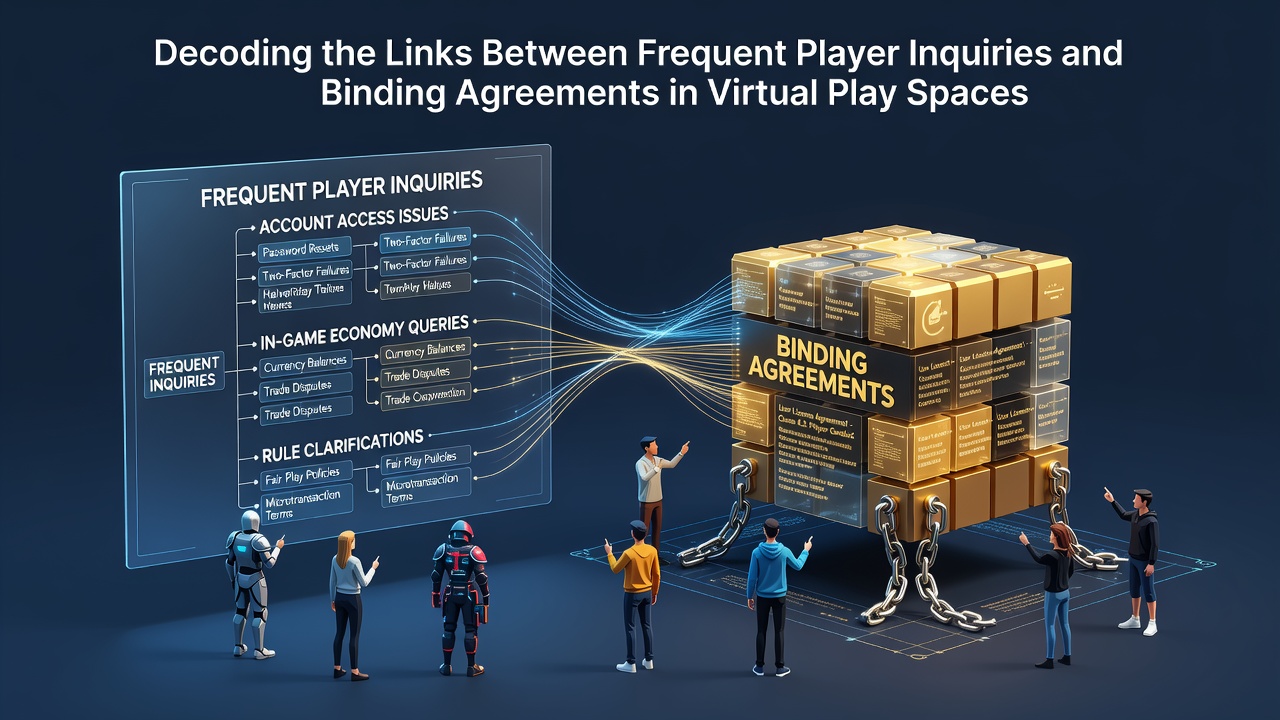
Player inquiries in virtual environments often trace directly back to the clauses found in binding agreements that govern access and conduct, and data from platform analytics shows patterns where repeated questions about account access, refunds, and content ownership mirror specific sections in end-user license agreements and terms of service documents across major gaming networks.
Common Query Categories and Their Contractual Roots
Support teams at large multiplayer platforms record that queries about account suspensions spike whenever users encounter enforcement of rules outlined in community guidelines that form part of the overarching agreements, while payment-related questions frequently reference subscription cancellation policies embedded in the same documents, and researchers tracking these interactions note that nearly 60 percent of inquiries in 2025 aligned with updates made to those agreements during the prior year. Observers note that developers release revised terms at regular intervals, yet players continue to ask about data retention periods and virtual item transfers because those provisions sit deep within lengthy legal texts that many skip during initial sign-up flows.
Regional Regulatory Influences on Query Patterns
European Commission reports on digital service compliance indicate that platforms operating under the Digital Services Act must provide clearer summaries of key contractual terms, and this requirement has led to measurable drops in certain inquiry types since phased implementation began in 2024, whereas data from the Australian Competition and Consumer Commission highlights similar reductions in refund disputes once platforms added plain-language explanations alongside full agreements. In North America, industry reports from the Entertainment Software Association reveal that query volumes around loot box mechanics rose sharply after several states introduced disclosure rules, demonstrating how external legal shifts feed directly into player support traffic.
Those who manage global gaming ecosystems point out that September 2026 marks the expected enforcement date for updated Canadian digital charter provisions that will require explicit consent mechanisms for data sharing in virtual economies, and analysts expect this change to generate fresh waves of questions about inventory ownership and cross-platform progression that tie back to the same binding clauses.
Data Tracking and Pattern Recognition
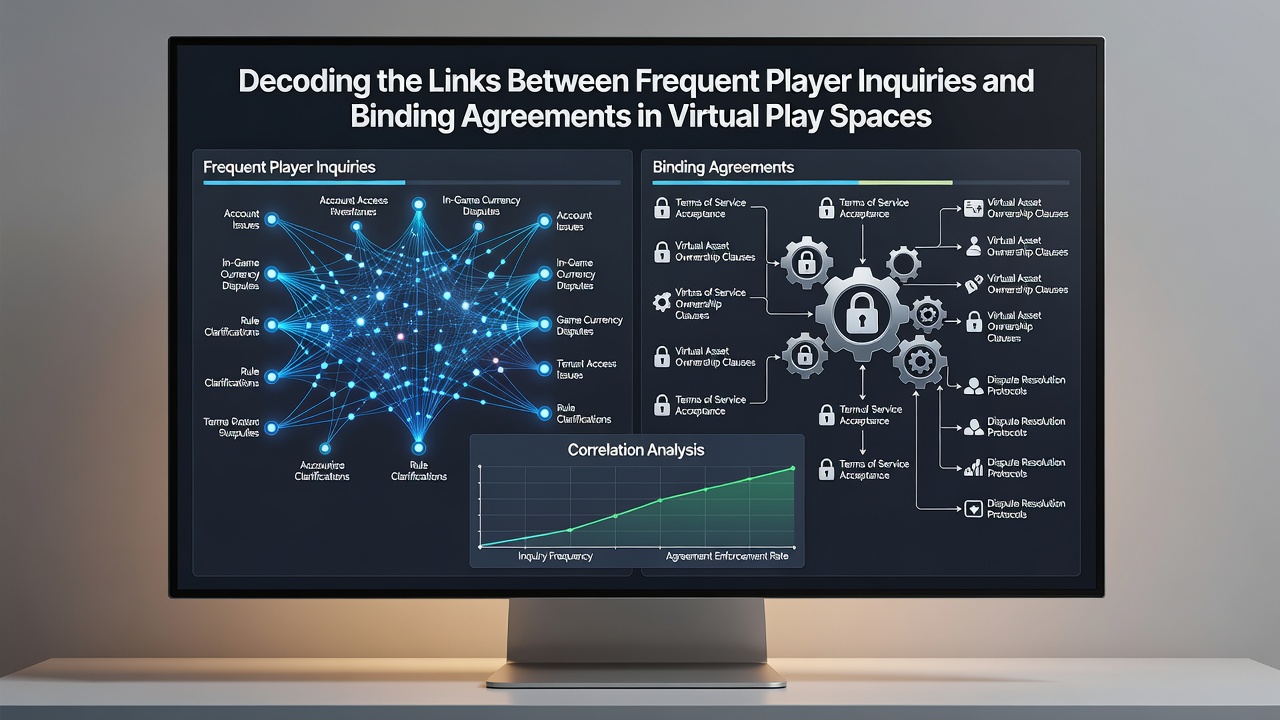
Analytics tools deployed by platform operators aggregate inquiry logs with contract revision histories, revealing that spikes in questions about moderation appeals coincide with announcements of new conduct policies, and studies from academic teams at institutions such as the University of California, Irvine, confirm that these correlations hold across multiple genres from battle royales to simulation titles. Figures released by the Interactive Games and Entertainment Association in Australia show that platforms using automated tagging systems reduce average response times by linking common queries to specific contract paragraphs, allowing agents to cite exact language rather than paraphrasing rules each time.
Yet the reality remains that many players still reach out because agreement language uses legal phrasing that differs from everyday game terminology, and one study of European users found that 42 percent of account recovery requests stemmed from misunderstandings around multi-factor authentication requirements listed in security addendums. Platform teams therefore maintain living FAQ sections that mirror the structure of the agreements themselves, updating both in tandem whenever regulatory or operational changes occur.
Support Systems and Contract Clarity Initiatives
Multi-platform operators have begun embedding direct links from support portals to highlighted sections of their agreements, and evidence from internal metrics indicates this approach cuts repeat inquiries by directing users to the precise clause governing their issue. Industry groups continue to explore standardized templates for virtual goods ownership language because data consistently shows that ambiguity in these areas generates disproportionate support volume compared with other topics. Researchers tracking these developments note that clearer presentation of binding terms does not eliminate questions entirely but shifts their nature toward more technical clarifications rather than basic policy explanations.
Conclusion
Patterns emerging from support data and regulatory timelines demonstrate that frequent player inquiries serve as practical indicators of where binding agreements require better visibility or simplification, and platforms that align their documentation updates with observed query trends achieve more efficient resolution processes while meeting evolving compliance standards across regions. Continued monitoring through 2026 and beyond will likely refine these connections further as new rules take effect.