Framework Fusion in Gaming Networks: Aligning Agreements, Queries, and Deliverables
Felix Fischer · Aug 25, 2026
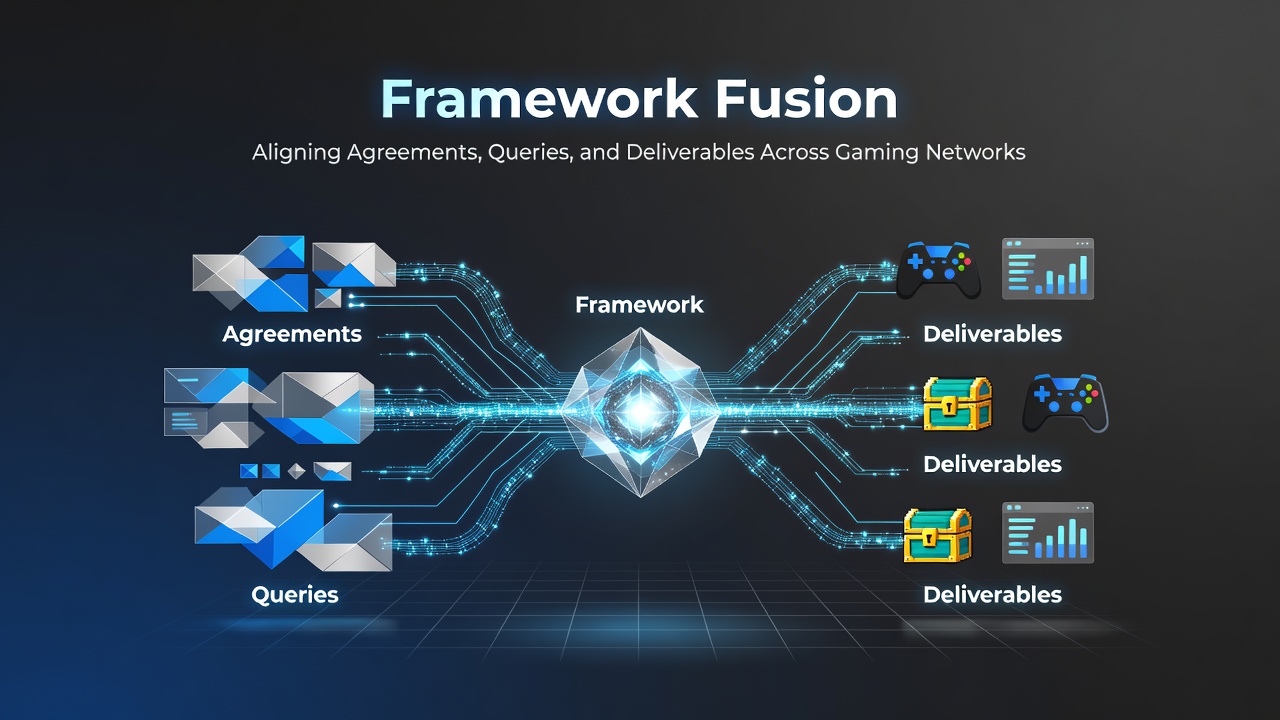
Framework Fusion in Gaming Networks: Aligning Agreements, Queries, and Deliverables
Network operators in the gaming sector coordinate three core elements daily: formal agreements that establish rules and obligations, player queries that surface support needs, and deliverables that encompass game updates plus virtual goods. This coordination occurs through backend systems that map each component to the others so that changes in one area propagate correctly to the rest. Data from industry reports indicate that synchronized handling reduces support ticket resolution time by measurable percentages when platforms link contract terms directly to query routing logic.
Core Components of the Alignment Process
Agreements cover end-user license terms, payment processing rules, and content licensing pacts between developers and publishers. Queries arrive through in-game chat, web forms, and mobile apps, carrying everything from billing disputes to technical troubleshooting requests. Deliverables include patches, seasonal events, and marketplace items that must comply with the same agreements that govern queries. Observers note that when these three streams operate in isolation, inconsistencies appear quickly, such as a player receiving a deliverable that violates a regional agreement clause.
Systems that fuse the streams rely on shared data schemas. A single player identifier connects the contract record, the open query ticket, and the pending deliverable queue. When a query references a specific clause in the agreement, automated rules check whether the requested deliverable meets that clause before release. Research from academic centers shows that platforms using unified schemas report fewer compliance incidents during peak traffic periods.
Technical Mechanisms Driving Integration
Application programming interfaces serve as the primary connectors. One interface pulls agreement metadata into the query management layer, while another feeds query outcomes into the content delivery pipeline. Middleware layers translate between different data formats so that a European Union data protection requirement embedded in an agreement automatically flags related queries for specialized handling. In August 2026 several major networks completed migrations to newer middleware versions that support real-time synchronization across continents.
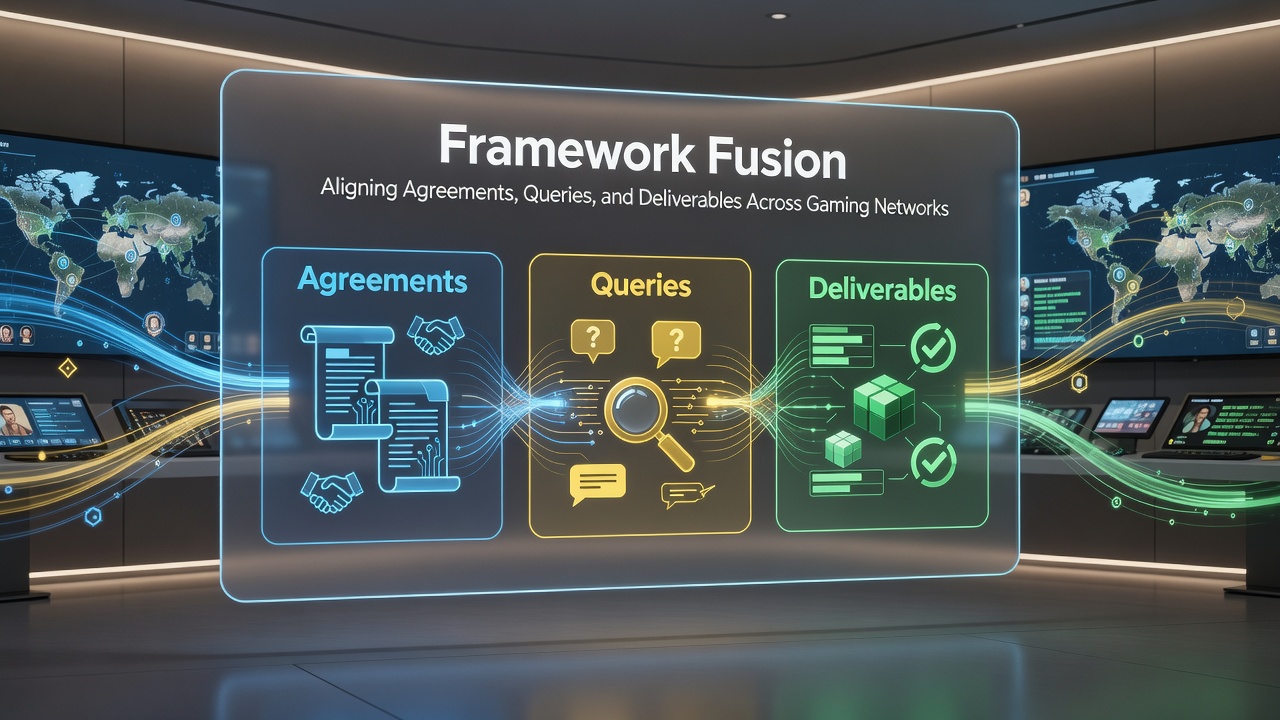
Database triggers enforce the alignment at the storage level. When an agreement receives an update, triggers scan active queries and scheduled deliverables for conflicts. The process runs continuously rather than in batch jobs, which keeps response times low during live events. Figures from trade association surveys reveal that networks with trigger-based systems maintain higher uptime during simultaneous global launches.
Regional Variations and Regulatory Inputs
Different jurisdictions impose distinct requirements on how agreements, queries, and deliverables interact. Platforms serving multiple regions maintain separate rule sets that the fusion layer applies according to player location. A report from the Australian Competition and Consumer Commission outlines expectations for transparent handling of queries related to virtual goods, while Canadian digital service guidelines emphasize record-keeping that links each query to the governing agreement. Operators incorporate these inputs into the same middleware used for content delivery.
Industry groups such as the Entertainment Software Association publish annual statistics that track how many platforms now use integrated compliance modules. Those modules reduce the manual review steps required when a deliverable must satisfy both a contractual term and a regulatory query response.
Operational Workflows in Practice
Support teams receive queries already tagged with relevant agreement sections and any conflicting deliverables. Agents see a unified view instead of switching between separate dashboards. Automated escalation paths direct complex cases to legal or engineering teams when the fusion layer detects mismatches. One documented case involved a seasonal event deliverable that triggered query volume spikes; the system automatically paused further distribution after agreement thresholds were reached.
Analytics layers measure alignment effectiveness through metrics such as query-to-resolution time and post-deliverable complaint rates. When these numbers trend upward, operators adjust the mapping rules rather than overhauling entire platforms. Evidence from university-led studies of multiplayer ecosystems indicates that incremental rule tuning produces steadier improvements than large-scale replacements.
Conclusion
Framework fusion enables gaming networks to treat agreements, queries, and deliverables as interdependent parts of a single operational system. Shared identifiers, middleware connectors, and database triggers provide the technical foundation, while regional regulatory inputs shape the specific rules applied. As networks scale to serve larger player bases, the same integration patterns continue to support consistent handling across time zones and jurisdictions.