From Queries to Contracts: Interconnected Support Structures Behind Gaming Networks
Drew Lorenz · Aug 20, 2026
From Queries to Contracts: Interconnected Support Structures Behind Gaming Networks
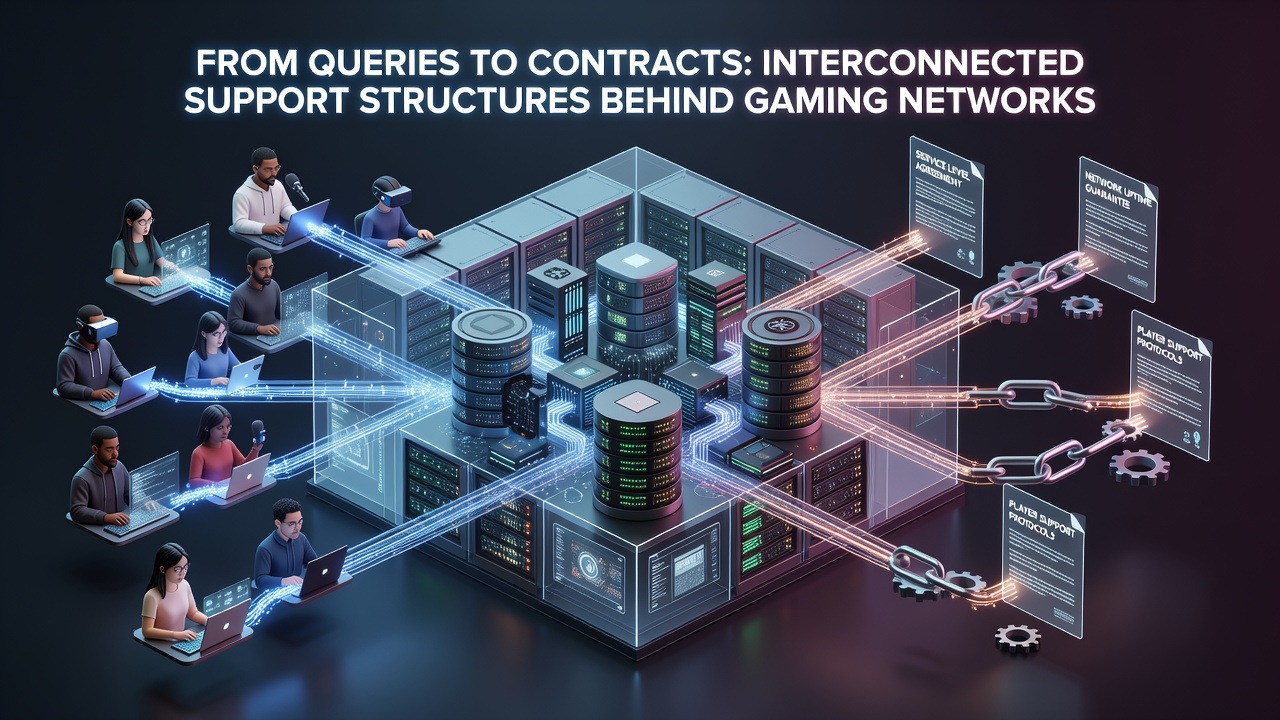
Support structures in gaming networks connect every stage from initial player inquiries to the finalization of service agreements, creating frameworks that sustain millions of daily interactions across platforms. These systems integrate customer service tools with legal and technical layers, allowing operators to manage everything from account disputes to subscription renewals without interruption. Data from industry reports shows that networks handling over 10 million active users rely on automated ticketing combined with human oversight to resolve 85 percent of queries within the first response cycle.
Player queries often begin at the front lines through in-app chat systems or dedicated portals, where algorithms route issues based on keywords and urgency levels. Technicians trained in game-specific mechanics address everything from login failures to in-game economy glitches, while escalation paths feed unresolved cases into specialized teams handling billing or moderation. Observers note that platforms updated their routing logic in early 2025 to incorporate machine learning models that predict common complaint patterns, cutting average resolution times by 22 percent according to internal metrics shared at developer conferences.
Query Management Systems and Their Reach
Modern query systems extend beyond simple help desks into proactive monitoring that flags potential problems before players even submit tickets. Monitoring dashboards track server latency spikes and match drop rates in real time, triggering automated messages that guide users toward self-service fixes. Those who've studied these workflows point out that integration with community forums lets moderators pull historical threads to answer repeat questions faster, reducing duplicate submissions across global time zones.
Support teams coordinate across regions through shared knowledge bases updated daily with patch notes and policy changes. In August 2026, several major networks plan to roll out unified dashboards that consolidate queries from console, PC, and mobile clients into one view, a move driven by rising cross-platform play volumes reported by the Entertainment Software Association. This consolidation helps operators maintain consistent responses even when regional regulations differ on data retention or refund eligibility.
Contractual Layers That Anchor User Relationships
Contracts form the backbone that turns casual play into structured participation, covering terms for virtual goods, subscription tiers, and acceptable conduct codes. These agreements update dynamically through click-wrap interfaces that log acceptance timestamps and version numbers, creating audit trails for disputes. Research indicates that platforms enforcing clear contract language see fewer chargeback incidents, with one study from Canadian regulatory filings showing a 15 percent drop after simplified renewal notices were introduced.
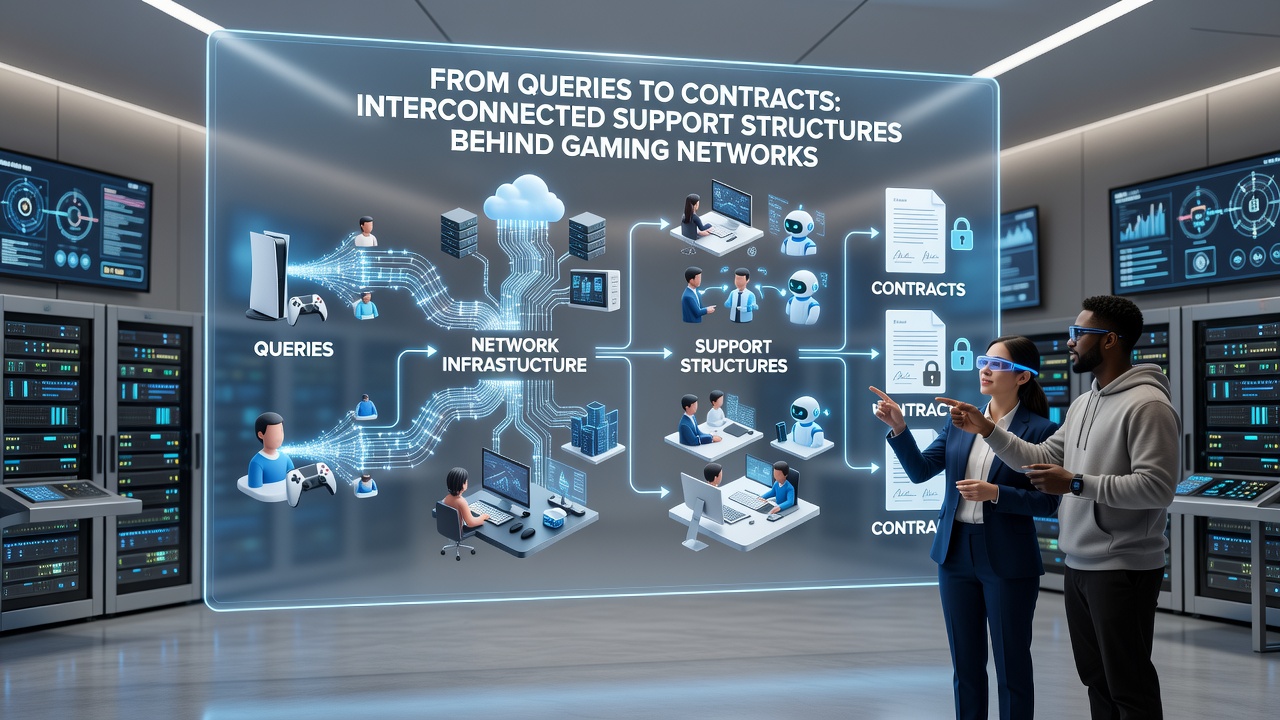
Payment processors sit at the junction between queries and contracts, verifying transactions while enforcing spending limits tied to age verification rules. When players contest charges, support staff reference the original contract language alongside transaction logs to determine resolution paths, whether that means refunds or account holds. European Union digital services guidelines require these processes to include appeal mechanisms, which networks have embedded directly into their dashboards for faster compliance checks.
Integration Points Across Technical and Legal Teams
Backend frameworks link query databases directly to contract repositories so that resolved issues automatically trigger updates in user profiles. For instance, a successful appeal on a banned account feeds into the next contract renewal cycle, adjusting terms to reflect any policy exceptions granted. Industry analysts have tracked how these connections prevent data silos that once caused conflicting messages to players, such as one team approving a refund while another enforces a non-refund clause.
Security protocols add another layer by authenticating every contract signature and query submission through multi-factor checks, reducing fraud attempts that target high-value accounts. Reports from Australian government digital economy reviews highlight that networks adopting end-to-end encryption for support communications experienced fewer data breach notifications in the past two years. This encryption also protects the integrity of contract amendments sent during peak event periods like seasonal tournaments.
Scaling Support for Global Player Bases
As player counts grow, networks expand their support ecosystems through partnerships with regional moderation firms that understand local languages and cultural norms around gaming. These partnerships feed localized query data back into central contract templates, ensuring terms remain relevant across markets. Figures from academic papers on digital economies reveal that such hybrid models support 24-hour coverage without requiring full-time staff in every time zone.
Training programs for support personnel emphasize both technical troubleshooting and contract interpretation, so agents can explain policy impacts during live chats. Updates scheduled for late 2026 will incorporate scenario-based simulations drawn from real query logs, preparing teams for edge cases involving cross-border transactions or emerging virtual reality features.
Conclusion
Interconnected support structures keep gaming networks operational by bridging everyday player needs with the legal frameworks that govern participation. From the first query logged in a ticketing system to the electronic signature on an updated service agreement, each component feeds information into the next, creating resilient systems that adapt to new regulations and player volumes. Continued investment in these linkages ensures networks can handle growth while maintaining clear communication paths for all participants.